In recounting the stories of Park City’s significant Chinese population and Chinatown, the focus is often on the discrimination and racism our Chinese and Chinese-American residents faced from our white population. The Park Record is rife with insulting language toward Chinese culture and traditions, Chinese looks, and specific people.
But to focus solely on these issues misses the fact that the Chinese population here was thriving along with the rest of the town up until the Great Fire of 1898. And it forgets the individual success stories, such as that of D.L.H.D. Grover (Dong Ling Hing), sometimes referred to as Joe Grover.
D.L.H.D. was said to be a shrewd businessman, and – according to Parkite historian Gary Kimball – was one of a few individuals who helped reshape some white Parkites opinions of Chinese residents. After his passing in 1926, he was honored with a well-attended funeral at the Park City Community Church and Park City Cemetery, featuring many Chinese death and burial traditions. He was allegedly the first Chinese person allowed permanent burial in the Park City Cemetery.
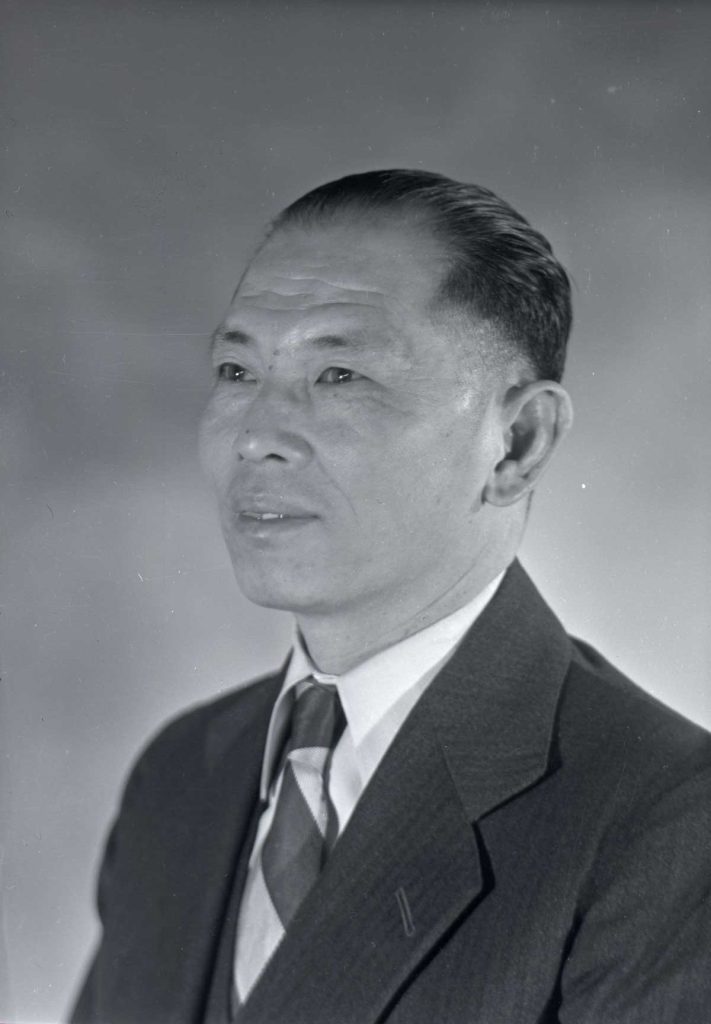
Credit: Park City Historical Society & Museum, Kendall Webb Collection
During his life in Park City, D.L.H.D. decided to invest in real estate. By the end of 1925, Grover owned sixty to seventy properties in Park City, most of which he rented out. In probate proceedings (which took several years after starting in 1928), the value of the properties was estimated at approximately $36,000 in 1931 Depression-era money. It certainly would have had more value had the Depression not hit during the time of appraisal. Still, even with the poor economy, that equates to approximately $730,000 today, a fairly substantial sum (though hardly enough to buy one of the houses Grover used to own in today’s market).
D.L.H.D. had one son, Joe Jr. (Dong Team Chew), with his first wife. Joe Jr. eventually moved to Park City to live with his father, growing up here and taking in his father’s business skills. When his father passed, Joe Jr. eventually inherited all the properties mentioned above. He continued to rent them, and purportedly often had a pay-as-you-are-able system for collecting rent from his tenants, helping them to remain in their homes during the Depression period.
Joe Jr. also opened a restaurant, Grover Café, in 1934 at 501 Main Street, which he operated until he left town in 1950. The building later collapsed in 1972. Unfortunately for Joe Jr., metal prices collapsed after WWII, turning Park City into a struggling community. Eighty percent of the population decided to leave, mines closed, and the town’s future prospects looked dim. Joe decided to cut ties and sold off his remaining properties, likely for back taxes. He moved to Idaho Springs, Colorado to operate a pegmatite mine, which he had owned for about a decade, full time.
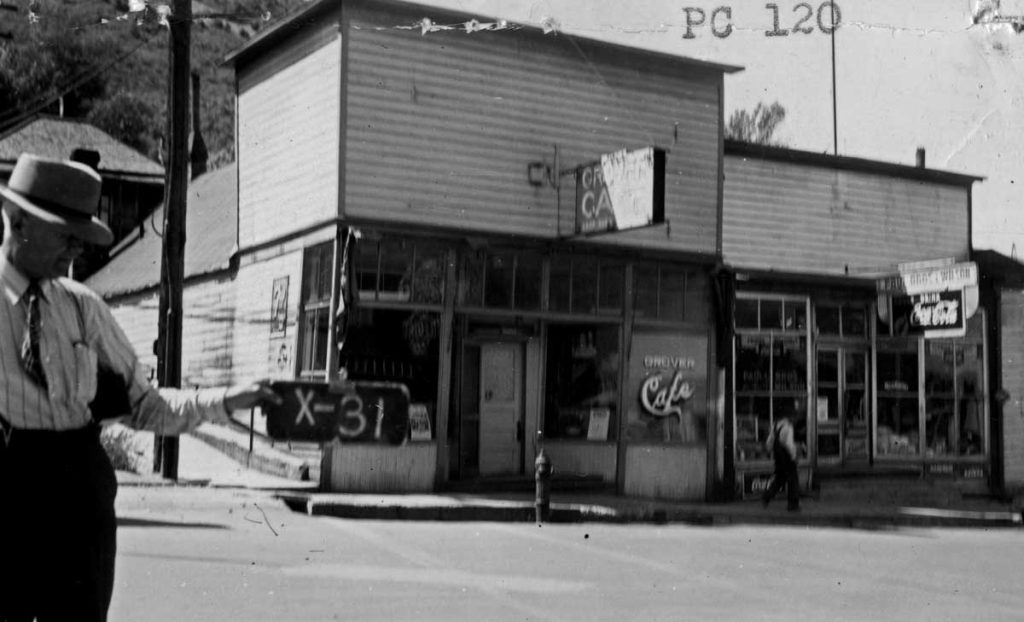
Credit: Park City Historical Society & Museum, PCHS Tax Photo Collection
But for several decades, the father and son Grovers had a mini real estate empire in the Wasatch Back. These two men created success and respect for themselves in a time when that was rare for Asian Americans.
The Park City Museum and Friends of Ski Mountain Mining History are hosting a lecture titled “Chinese Contributions to Park City During the Early Mining Era” given by Mark Danninger on Wednesday, September 10 from 5-6 p.m. at their Education and Collections Center located at 2079 Sidewinder Drive.